Tokyo / Ota Accommodation
Tokyo Time Traveler Apartment
Tokyo TimeTraveler
Heiwajima and Omorimachi area Keikyu Main Line living area | An 18㎡ one-bedroom double apartment with code self check-in — compare transport, beds and check-in rules first

Photo source: Trip.com
How would I choose this stay?
- The 18㎡ self-contained room type has a double bed, a bathroom and some living facilities — it is not a shared dormitory
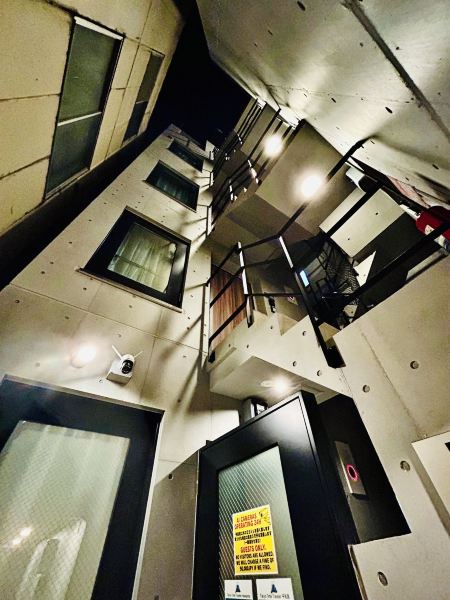
- Self check-in requires getting the room door code in advance. In past guest experiences, some people found the unlocking instructions less than intuitive and only sorted it out at the door; I would treat downloading the check-in email before arrival and confirming connectivity and battery as part of trip preparation.
- Self check-in relies on a door code and advance notice, so the room-entry process needs preparation
Tokyo Time Traveler is a stay centred on 18㎡ small apartments, not a hotel offering lobby service and a wide range of shared facilities. Both room types list one double bed, and the rooms have a refrigerator, a private bathroom and a desk. For a short business trip, a couple or two friends, its real value is having an independent room door and basic living functions, not a spacious one-bed-per-person layout.
Self check-in requires getting the room door code in advance. In past guest experiences, some people found the unlocking instructions less than intuitive and only sorted it out at the door; I would treat downloading the check-in email before arrival and confirming connectivity and battery as part of trip preparation.
Location and transport: how would I get there, and how would I plan Haneda and central Tokyo trips?
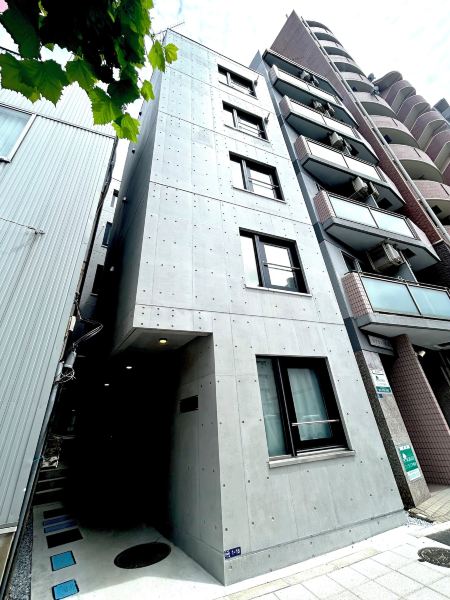
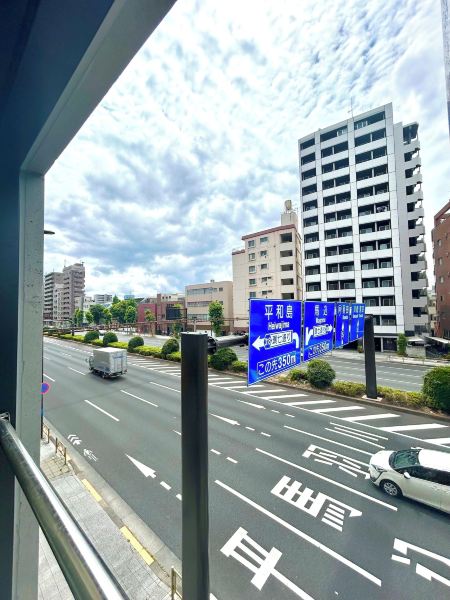
The stay is located at 2-1-18 Omorimachi, Ota Ward, and the listing’s Japanese name mentions “Tokyo Heiwajima”. The route is mainly along the Keikyu Main Line, but “Heiwajima” should not be taken to mean the hotel sits right opposite Heiwajima Station; on arrival, confirm the final stretch of street on the map using the actual address.
Heading to Haneda Airport from the Keikyu Main Line area usually requires arranging a transfer toward Keikyu Kamata depending on the train service. If I am catching a morning flight, I would work backwards from locking the room door, wheeling luggage out of the alley, walking to the station and waiting for the train; “close to the Keikyu Line” should not be read as permission to leave only just before the flight check-in deadline.
The appeal of the Omorimachi neighbourhood lies in its residential setting and everyday supplies, not in having a large department store right downstairs. If I plan to spend a few days in Tokyo, I would put the return to the room and convenience-store shopping on the same route — especially suited to simple evenings when all I need is water and a light snack.
I would first save the stay’s address in navigation, and when riding trains keep the Japanese station names handy, so as not to mistake different station exits in Ota Ward for the same exit. If on the same day I am dragging luggage, transferring trains and rushing to airport check-in, the whole trip cannot be estimated from station-to-station ride time alone; time is needed separately for getting from the room door to the station, walking to the correct platform and checking in with the airline. The location here is “2-1-18 Oomori-cho, Ota Ward, Tokyo, 143-0011, Japan”.
Room types and beds compared: check the room number first, then decide which room to book
I would not compare only the cheapest room type at the same stay. What really affects the experience here is each room number’s bed count, area, how many people share the living space, and the balance between sleeping area and luggage passage. When choosing a room, first confirm the actual party size, then compare whether separate beds are possible and how much indoor activity space there is; price and cancellation terms come last.
| Room type / room number | Area | Beds | Listed capacity |
|---|---|---|---|
| No. 1 Double Apartment | 18m² | 1 bedroom: 1 double bed; 1 living room | Up to 2 adults |
| Standard Apartment | 18m² | 1 bedroom: 1 double bed; 1 living room | Up to 2 adults |
No. 1 Double Apartment | Beds and luggage layout
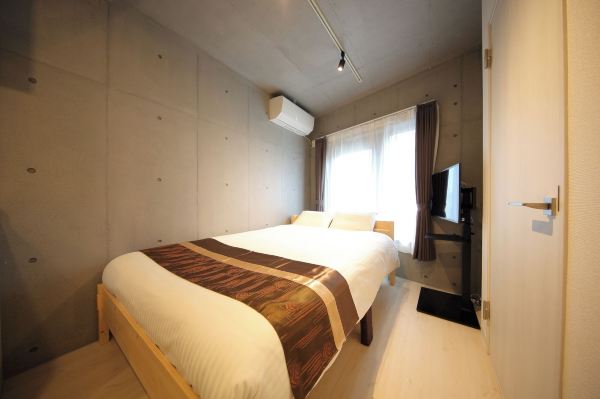
The No. 1 Double Apartment is listed at 18m², with 1 bedroom: 1 double bed; 1 living room. The listing shows up to 2 adults can be accommodated, but headcount and whether each person has an independent bed are two different things. The interior is on the compact side, so if both guests bring large suitcases, I would first estimate whether the bedside passage and bathroom door remain passable after unpacking. The room type is listed as non-smoking, a condition anyone sensitive to smoke must check.

Photo source: Trip.com
Standard Apartment | Beds and luggage layout
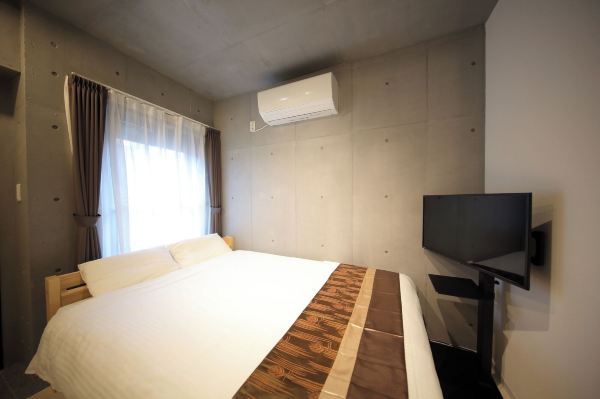
The Standard Apartment is listed at 18m², with 1 bedroom: 1 double bed; 1 living room. The listing shows up to 2 adults can be accommodated, but headcount and whether each person has an independent bed are two different things. The interior is on the compact side, so if both guests bring large suitcases, I would first estimate whether the bedside passage and bathroom door remain passable after unpacking. The room type is listed as non-smoking, a condition anyone sensitive to smoke must check.

Photo source: Trip.com
The “capacity” above is the booking listing’s arrangement for headcount; it does not mean there are the same number of independent beds. If travelling with friends rather than a partner, I would first check whether everyone can sleep comfortably on their own; families with children should note that free child stays often come with a “no extra bed” condition, so “free” should not be assumed to include a separate child bed.
Only after settling the beds would I compare whether luggage can be opened, whether a desk is needed, and how private and shared space is divided over several nights. For an 18㎡ one-bedroom double apartment with code self check-in like Tokyo Time Traveler Apartment, the room-type name can easily give the wrong impression; the real way to avoid booking the wrong room is to put room number, area, bed count and fellow travellers’ needs in the same table.
Check-in method, living facilities and what staying here feels like
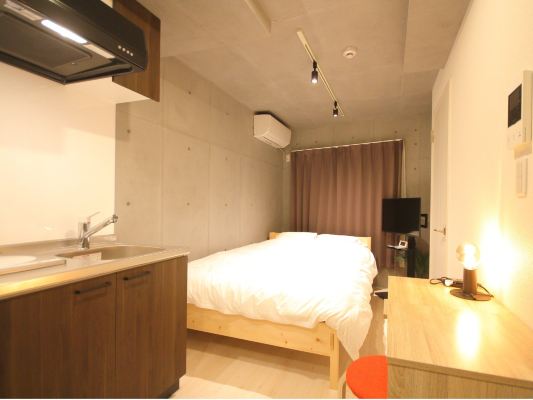
The photos show the relationship between the beds, the window side and the kitchen. Even if an 18㎡ room carries a living-room label, it does not mean two people each get an independent room; when choosing, I would first check whether the bedside passage can fit luggage, then compare whether a desk and simple heating equipment are really needed.
I would arrange check-in conditions according to the room type booked that time and the stay’s policy, rather than mixing photos from different room numbers. This stay’s check-in rules are especially worth remembering: the relevant times and methods are listed in the booking information and should be confirmed before departure. If there is a late flight, staggered arrivals or further transfers, the sooner the door-opening method is sorted out, the less likely the trip is to be disrupted on site.


How to plan the morning departure and check-out time
For the next morning’s departure, I would first confirm the check-out process and the direction for entering the main station. Especially when travelling with several people or carrying large luggage, arranging the route, water refills and meal times in advance is more relaxed than checking routes on the spot in the morning.
One night versus a longer stay: the criteria are actually different
Just one night: how to arrange departure and check-in?
For one night, this can be treated as a small self-contained apartment for rest. Check-in is not a traditional front desk, so door-access information must be prepared before departure; anyone flying in from Taiwan the same day while still setting up mobile connectivity should especially not leave every step until reaching the door.
If the flight arrives late, I would first arrange that day’s final leg of transport, phone roaming and remaining battery — all the more so for a self check-in stay. One night does not require using every facility; what matters is making sure I can enter the room smoothly, sleep well, and then leave at my own check-out time.
Three nights or more: how to weigh living space against daily routines?
For several consecutive nights, two things must be accepted: the storage flexibility of 18㎡ and two people sharing one bed. If days are mostly spent outside and the room is only for showering and sleeping, this layout is more reasonable; if online meetings, cooking and opening luggage at the same time are needed in the room, a larger apartment may need to enter the comparison.
For a longer stay I would think about bedding layout, daily round-trip transport and laundry storage together: if I use the same station every day, familiarity with its exits may grow more valuable the longer I stay; conversely, a room that is too small or shared areas contested with fellow travellers will also become more obvious. The whole trip should not be decided on how convenient the first night merely looks.
Pros and cons I would put into a booking comparison
Self check-in requires getting the room door code in advance. In past guest experiences, some people found the unlocking instructions less than intuitive and only sorted it out at the door; I would treat downloading the check-in email before arrival and confirming connectivity and battery as part of trip preparation.
Pros
- The 18㎡ self-contained room type has a double bed, a bathroom and some living facilities — it is not a shared dormitory
- The Keikyu Main Line living area can combine Haneda Airport and Shinagawa-direction trips
- The photos show the rooms and small kitchen in their actual layout, helping judge whether the stay suits a short visit
Trade-offs to accept
- Self check-in relies on a door code and advance notice, so the room-entry process needs preparation
- Both main room types have a single double bed, which does not meet the need for one bed per person
- The 18㎡ space is rather tight for a long stay for two or for several large pieces of luggage
These pros and cons are not labels of good or bad for the stay; they let each traveller judge by itinerary. If my focus this time is the Keikyu Main Line living area around Heiwajima and Omorimachi and the nearby routes, I would raise transport in priority; if there are many fellow travellers and meals or work in the room are also needed, I would first confirm bed types and living space before looking at price.
Conclusion: who would I recommend this to for this Tokyo trip?
I would recommend it to travellers packing light who like coming and going on their own and are comfortable with code entry; anyone expecting on-site assistance, needing one bed per person or carrying a lot of large luggage should consider another room type.
My booking order is: first confirm the actual hotel address and transport stations, then identify room number, area and beds from the room-type name, then check check-in times and whether self key collection is needed, and finally compare total price. Choosing Tokyo Time Traveler Apartment this way fits the conditions actually needed on the trip better than looking only at star ratings or the lowest nightly price.
Fact-check date: 2026-10-28