Home / Japan / Tokyo / Ota Accommodation
TOKYO / OTA
Haneda Inn
Haneda Inn
Keikyu Otorii Station, Higashikojiya|11–22㎡ single, double, twin and triple rooms — start with transport, bed types and check-in rules

Photo source: Trip.com

How would I choose this stay?
- Clearly offers single, double and triple bed types
- Saved reviews include several travellers praising the airport shuttle and simple breakfast, but if the flight is very early, still check the hotel shuttle’s departure time, whether it charges, and whether a seat must be reserved; today’s runs cannot be extrapolated from reviews in different years.
- The smallest 11㎡ room type does not suit two people each with large luggage
If I were looking for a stay in Tokyo’s Ota Ward this time, I would put Haneda Inn on my shortlist, but I would not book it on price or Haneda Airport wording alone. Its most practical difference is bed type and area: an 11㎡ single or double is a simple overnight, a 13㎡ compact twin suits two people sleeping separately, and 22㎡ twin and triple rooms leave different amounts of luggage room. Just because it is called “Haneda Inn” does not make it an airport terminal hotel.
According to the listing information currently saved, its main positioning is 11–22㎡ single, double, twin and triple rooms. For me, the room numbers, bed types, check-in times and actual street location under one name usually decide fit better than a single platform score; the comparison below follows these four points.
Location and transport: how do I choose a route from the station?
The address is Higashikojiya 3-chome 12-8, mainly referenced against the Keikyu Airport Line Otorii Station area; for a Haneda flight, the shuttle’s departure times and actual terminal should be checked first.
The currently saved address is written as “3 Chome-12-8 Higashikojiya, Ota Ward, Tokyo, 144-0033, Japan”. I would first mark this address on the map, then re-plan around the railway station and exit actually chosen. If the material only reaches the postal district without a street number, precise walking minutes can only be worked out after the booking confirmation supplies the missing detail; a place name alone is not treated as a verified address.
If arriving from Haneda Airport, I would first confirm the actual terminal that day, train stops, transfers and the exit to alight at. If the Tokyo trip heads into the city every day, the daily return transfer time must also be counted. Keikyu Otorii Station and Higashikojiya are my reference points for comparing nearby routes, not a claim that every room connects directly to the station.
Room comparison: which bed and room suits me?
I first write the headcount, whether separate beds are needed, the floor and the room area on one list, and I do not assume every room type is the same just because the property shares one name. Apartment-style properties in particular may list several room numbers in one building, while a capsule hotel may split men/women and upper/lower bunks into different options.
| Room type | Listed area | Beds | Occupancy |
|---|---|---|---|
| Compact Twin Room | 13m² | 2 single beds | Depends on the selected plan |
| Double Room | 11m² | 1 double bed | Depends on the selected plan |
| Twin Room | 22m² | 2 single beds | Depends on the selected plan |
| Single Room | 11m² | 1 small double bed | Depends on the selected plan |
| Triple Room | 22m² | 3 single beds | Depends on the selected plan |
Compact Twin Room|Who is it good for?
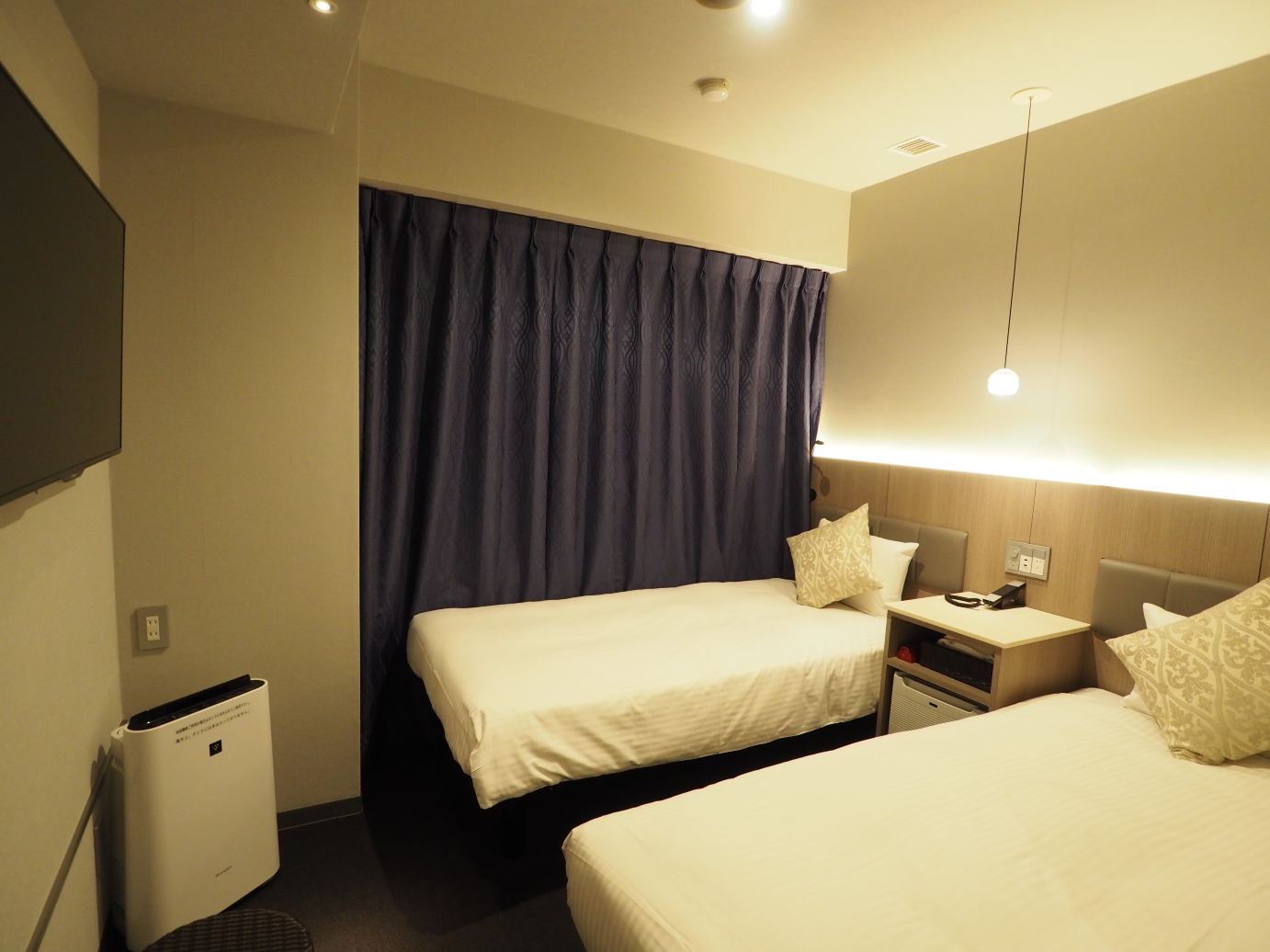
Compact Twin Room: the listing shows 13m²; bed type is 2 single beds. Floor information is Floor: 3-7. This room type is listed as non-smoking. The room list also includes Air conditioning, Private bathroom, Bathtub, Refrigerator, but these facilities must be checked against the room number and cannot simply be applied to other categories. The area is on the compact side, so if both guests bring large luggage, I would first think through the bedside passage once the cases are open.
Double Room|Who is it good for?
Double Room: the listing shows 11m²; bed type is 1 double bed. Floor information is Floor: 3-7. This room type is listed as non-smoking. The room list also includes Air conditioning, Private bathroom, Bathtub, Refrigerator, but these facilities must be checked against the room number and cannot simply be applied to other categories. The area is on the compact side, so if both guests bring large luggage, I would first think through the bedside passage once the cases are open.
Twin Room|Who is it good for?
Twin Room: the listing shows 22m²; bed type is 2 single beds. Floor information is Floor: 8. This room type is listed as non-smoking. The room list also includes Air conditioning, Private bathroom, Bathtub, Refrigerator, but these facilities must be checked against the room number and cannot simply be applied to other categories.
Single Room|Who is it good for?
Single Room: the listing shows 11m²; bed type is 1 small double bed. Floor information is Floor: 3-7. This room type is listed as non-smoking. The room list also includes Air conditioning, Private bathroom, Bathtub, Refrigerator, but these facilities must be checked against the room number and cannot simply be applied to other categories. The area is on the compact side, so if both guests bring large luggage, I would first think through the bedside passage once the cases are open.
Triple Room|Who is it good for?
Triple Room: the listing shows 22m²; bed type is 3 single beds. Floor information is Floor: 8. This room type is listed as non-smoking. The room list also includes Air conditioning, Private bathroom, Bathtub, Refrigerator, but these facilities must be checked against the room number and cannot simply be applied to other categories.
I make a point of separating bed type from the maximum occupancy number: sleeping four does not necessarily mean four separate beds. If there is a sofa bed or a Japanese mattress, I still need to check who sleeps where and whether it must be folded away every day. Picking the room number first and then looking at photos is more useful than only looking at the cheapest price.
Indoor facilities, check-in times and photo details
Saved reviews include several travellers praising the airport shuttle and simple breakfast, but if the flight is very early, still check the hotel shuttle’s departure time, whether it charges, and whether a seat must be reserved; today’s runs cannot be extrapolated from reviews in different years.
After looking at the room types, I also write the check-in and check-out times into my itinerary. The saved rules list: Check-in: 15:00–24:00; Check-out: 04:00–10:00. For a late flight and companions arriving separately, it is essential to confirm first whether entry is possible within the stated hours.
A room photo only shows the angle that was photographed. For a washing machine, kitchenware, refrigerator, shared bathroom or locker, go by the information for the room number you actually booked; one photo from a public gallery cannot prove that every room type has the same facilities.

Photo source: Trip.com
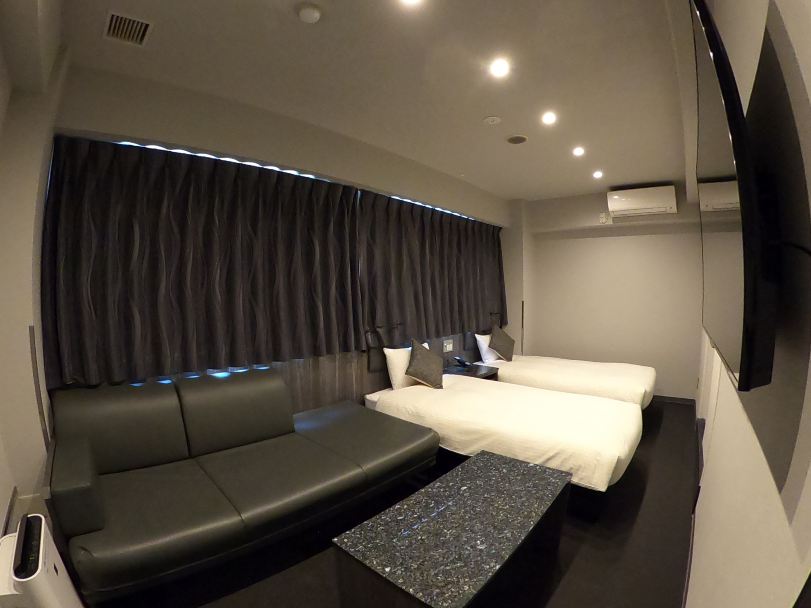

Photo source: Trip.com
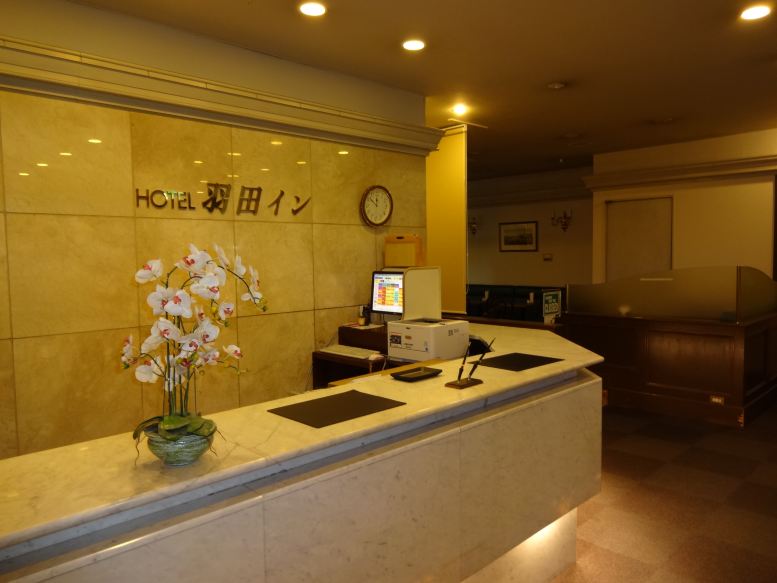

Photo source: Trip.com
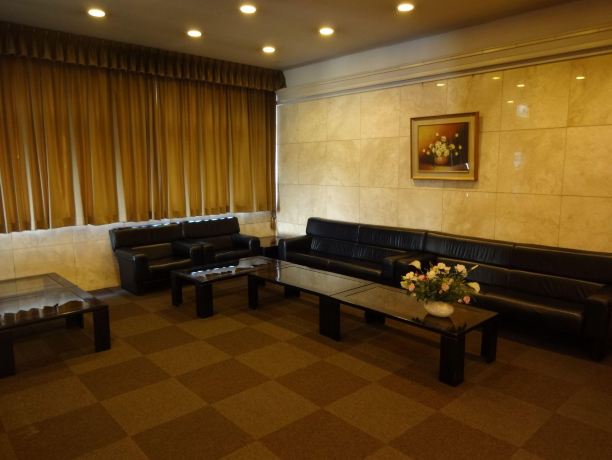

Photo source: Trip.com
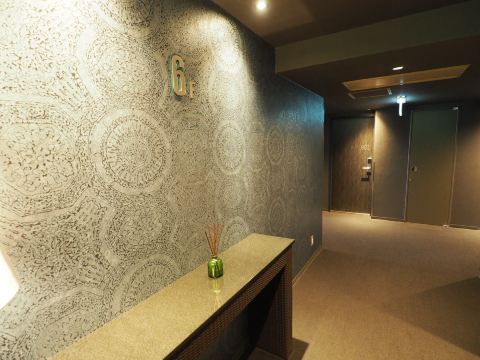

Photo source: Trip.com
What it feels like to stay: which reviews and trade-offs matter to me?
Reviews are positive about the airport shuttle, bed comfort and short-stay convenience, while also often noting that 11–13㎡ rooms are small, so guests with large suitcases should watch the floor space.
When I read stay reviews, I read the date together with the room type: room types, management and facilities can change over time, so one person’s single stay cannot guarantee quality on every date. If no readable review has been saved, I judge only from the room-type information on hand and do not invent guest comments that do not exist.
When the same problem keeps coming up, I first ask, “Will this affect my travelling companions this time?” — for example carrying suitcases upstairs, entering the room at night, cigarette smell, shared shower times, or the distance to central Tokyo. Anything that does not appear in the saved reviews, I do not treat as a negative record that actually happened.
Breakfast, early flights and check-out plans
On the morning of this stay, I first confirm the check-out time and which station I will board at that day, then decide whether to buy breakfast. Where there is no reliable information on whether breakfast is served, I go by the actual booking plan. When dragging luggage to central Tokyo or Haneda Airport, counting walking, platforms and boarding procedures together is more realistic than just memorising train running minutes.
One night vs three nights: different things to weigh
One short night: what do I sort out first?
When staying just one night around a Haneda trip, I put the shuttle boarding time first and a room of 11 or 13㎡ is enough; if two people each need their own bed, I would rather look at a compact twin than one small double bed.
Someone staying only one night does not necessarily need to use every facility: arriving smoothly, checking in, showering, sleeping well and checking out on time matter more. Especially when the trip connects to a Haneda flight, I put last-transport times, the property’s check-in deadline and mobile data on the same reminder list.
Several nights in a row: how do I judge value?
For several nights in a row, the space of a 22㎡ two-bed or triple room is better, although the location leans toward the Haneda side, so daily sightseeing in central Tokyo still requires counting travel time.
The longer the stay, the more the neighbourhood transport back to the room, laundry, luggage storage and different companions’ routines matter. If the trip is mostly out during the day, a compact space may be acceptable; if travelling with children or someone works in the room, room size and bed layout cannot be judged on one night’s price alone.
Pros and cons: a quick comparison before booking
I would put this property on my shortlist, but I would also put the following limits into my comparison table, and not assume it is convenient just because it is in Ota Ward or near Haneda.
Pros
- Clearly offers single, double and triple bed types
- Saved reviews repeatedly mention the Haneda shuttle service
- Close to the airport-line neighbourhood
Trade-offs to accept
- The smallest 11㎡ room type does not suit two people each with large luggage
- Free breakfast and shuttle details may change with the plan or run
- Daily sightseeing in central Tokyo requires allowing for transfers
If transport matters most, compare the real station exit and the expected time back to the room first; if multi-person stays matter, bed count, floor and space must come before platform scores. This trade-off helps me avoid booking just because of one big photo on the front page.
Verdict: which Tokyo travellers would I recommend this to?
Its most practical difference is bed type and area: an 11㎡ single or double is a simple overnight, a 13㎡ compact twin suits two people sleeping separately, and 22㎡ twin and triple rooms leave different amounts of luggage room. Just because it is called “Haneda Inn” does not make it an airport terminal hotel.
For several nights in a row, the space of a 22㎡ two-bed or triple room is better, although the location leans toward the Haneda side, so daily sightseeing in central Tokyo still requires counting travel time.
If I choose Haneda Inn this time, I would decide in this order: correct address and station exit → room number and bed type → available check-in time → luggage and companions’ needs → room rate, rather than only looking at its name or the lowest price. Different trips have different best answers, and understanding my own needs matters more than chasing a standard score.
Fact-check date: 2026-10-26